
How to Spot and Soothe Pet Anxiety: A Comprehensive Guide for Dog and Cat Owners
As a devoted pet parent, you've likely noticed those moments when your furry companion seems off—pacing restlessly, hiding under the bed, or barking excessively for no apparent reason. Pet anxiety is a real and common issue affecting millions of dogs and cats worldwide, often triggered by everyday changes or deeper emotional needs. In fact, studies show that up to 20% of dogs experience separation anxiety alone, leading to destructive behaviors and emotional distress for both pets and owners. If you're searching for ways to help your pet feel more secure, you're not alone. This guide dives deep into understanding pet anxiety, its causes, signs, treatments, and natural remedies, empowering you to create a calmer, happier life for your four-legged friend.
At MyHeroPet.com, we believe every pet deserves to thrive without fear. Whether your dog trembles during thunderstorms or your cat withdraws after a household change, recognizing and addressing anxiety early can make all the difference. Let's explore how to identify pet anxiety and implement effective strategies to ease it.
What is Pet Anxiety?
Pet anxiety refers to a state of heightened fear or stress in animals, similar to how humans experience worry or panic. It's not just "bad behavior"—it's a response to perceived threats, rooted in instinctual survival mechanisms. Dogs and cats, as domesticated animals, rely heavily on their environment and human companions for security. When that stability is disrupted, anxiety can manifest in various forms, from mild unease to severe phobias.
There are several types of pet anxiety:
- Separation Anxiety: Common in dogs, this occurs when pets become distressed upon being left alone. Cats can experience it too, though less visibly.
- Noise Phobia: Triggers like fireworks, thunderstorms, or even household appliances can cause intense fear.
- Situational Anxiety: Vet visits, car rides, or grooming sessions often spike stress levels.
- Generalized Anxiety: A chronic condition where pets seem perpetually on edge, possibly due to genetics or past trauma.
Understanding these distinctions is key because treatment varies. For instance, noise phobia might require desensitization techniques, while separation anxiety benefits from routine-building exercises. Pet anxiety isn't breed-specific, but certain breeds like Border Collies or Siamese cats may be more prone due to their high-energy or sensitive natures.
If left untreated, chronic anxiety can lead to health issues like weakened immune systems, digestive problems, or even self-injury from excessive chewing or scratching. The good news? With patience and the right approach, most cases can be managed effectively.
Common Causes of Pet Anxiety in Dogs and Cats
Identifying the root cause of your pet's anxiety is the first step toward relief. Pets are creatures of habit, and disruptions can trigger stress responses. Here are some of the most prevalent causes, backed by veterinary insights:
1. Separation from Owners
One of the top culprits, especially for dogs, is separation anxiety. Pets bond deeply with their families, and being left alone can feel like abandonment. This is exacerbated in rescue animals or those with early-life trauma. Cats, while more independent, may show subtle signs like excessive meowing or litter box avoidance when routines change.
2. Loud Noises and Environmental Triggers
Thunderstorms, fireworks, construction sounds, or even vacuum cleaners can send pets into panic mode. Dogs and cats have acute hearing, making these noises overwhelming. Noise sensitivity affects up to 50% of dogs, leading to hiding, trembling, or destructive behavior.
3. Changes in Routine or Environment
Moving to a new home, introducing a new pet or baby, or even rearranging furniture can unsettle pets. Cats are particularly sensitive to territorial changes, while dogs may react to shifts in daily schedules like altered walk times.
4. Medical Conditions and Pain
Anxiety isn't always behavioral—underlying health issues like arthritis, thyroid imbalances, or cognitive dysfunction in senior pets can mimic or worsen anxiety symptoms. Pain from dental problems or injuries often goes unnoticed, leading to irritability or withdrawal.
5. Lack of Socialization or Past Trauma
Puppies and kittens not exposed to various stimuli during critical development periods (typically 3-14 weeks) may develop fears later in life. Abused or neglected pets carry emotional scars, making them more susceptible to triggers.
6. Genetic Predispositions
Certain breeds have a higher risk. For example, herding dogs like Australian Shepherds may exhibit anxiety from their high-drive genetics, while anxious traits can be inherited in cats like Abyssinians.
By pinpointing these causes, you can tailor interventions. For example, if noise is the issue, preparing in advance with safe spaces can prevent escalation.
Signs and Symptoms of Anxiety in Dogs and Cats
Recognizing anxiety early prevents it from worsening. Pets communicate through body language and behavior, so watch for these indicators:
Signs in Dogs
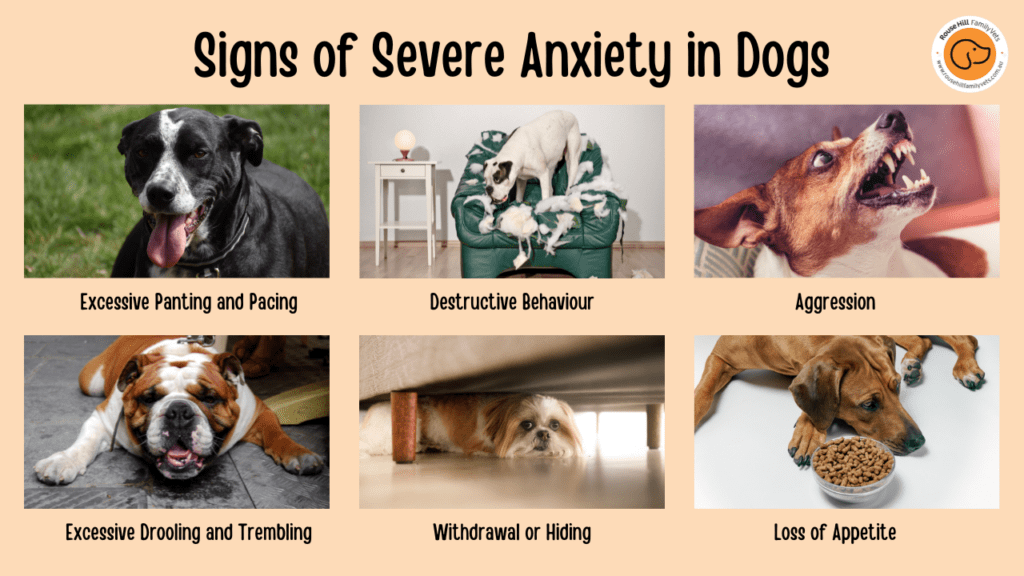
Dogs are more expressive, but subtle cues often go missed. Mild signs include lip licking, yawning (not from tiredness), or avoiding eye contact. Moderate anxiety might show as pacing, whining, or refusing treats. Severe cases involve:
- Trembling or shaking
- Excessive barking or howling
- Destructive chewing or digging
- House soiling despite being trained
- Escape attempts, like scratching doors
- Aggression or growling when approached
.jpg)
If your dog tucks their tail, flattens ears, or shows the whites of their eyes (whale eye), it's a clear stress signal.
Signs in Cats
Cats hide anxiety better, often mistaken for aloofness. Look for:
- Hiding or withdrawing to high places
- Excessive grooming leading to bald patches
- Inappropriate elimination outside the litter box
- Aggression, like swatting or hissing
- Reduced appetite or overeating
- Vocalization, such as yowling or purring excessively (a self-soothing mechanism)
- Pacing or restlessness at night
Dilated pupils, flattened ears, or a twitching tail are body language red flags. In multi-pet homes, anxious cats may bully others or avoid social areas.
If these signs persist, document them for your vet—patterns like anxiety peaking during absences point to specific types.
Effective Treatments for Pet Anxiety
Treating pet anxiety often combines behavioral, environmental, and medical approaches. Always consult a vet or certified behaviorist for personalized plans.
Behavioral Modification Techniques
- Desensitization and Counterconditioning: Gradually expose your pet to triggers at low levels while pairing with positive rewards, like treats or play. For noise phobia, play soft recordings of storms, increasing volume over time.
- Training Programs: Obedience training builds confidence. For separation anxiety, practice short absences, rewarding calm behavior.
- Enrichment Activities: Puzzle toys, interactive games, or scent work stimulate the mind, reducing boredom-induced anxiety.
Medications and Supplements
For moderate to severe cases, vets may prescribe:
- Fluoxetine (Prozac) or Clomipramine for long-term management.
- Alprazolam or Trazodone for situational anxiety, like vet visits.
- Sileo gel for noise aversions in dogs.
Supplements like Zylkene (milk-derived protein) or Solliquin (L-theanine blend) offer milder relief.
Pheromone Therapy
Products like Adaptil for dogs or Feliway for cats mimic calming maternal pheromones, reducing stress in diffusers, collars, or sprays. Studies show they can lower anxiety by 50-70% in multi-pet homes.
Calming Aids
- ThunderShirts or anxiety wraps apply gentle pressure, mimicking a hug.
- CBD oils (vet-approved) promote relaxation without sedation.
Combining these yields the best results—meds support behavior changes.
Natural Remedies and Home Tips for Pet Anxiety Relief
Prefer a holistic approach? Natural remedies can complement treatments, focusing on lifestyle adjustments.
1. Exercise and Play
Daily walks or play sessions release endorphins, reducing stress. Aim for 30-60 minutes of activity tailored to your pet's age and breed. For cats, laser pointers or feather toys encourage hunting instincts.
2. Create a Safe Space
Designate a quiet area with bedding, toys, and pheromone diffusers. During triggers, guide your pet there for security.
3. Herbal Supplements and Oils
- Chamomile or valerian root teas (diluted) calm nerves.
- Lavender essential oil (diffused safely) soothes, but avoid direct application—cats are sensitive.
- L-Tryptophan or CBD treats boost serotonin levels.

4. Music and White Noise
Play classical music or white noise to mask scary sounds. Apps like "Relax My Dog" are designed for this.
5. Massage and Touch Therapy
Gentle massages on pressure points (like between the eyes) release tension. TTouch techniques can be learned online.
6. Diet Adjustments
Foods rich in omega-3s or probiotics support brain health. Calming diets from brands like Royal Canin include anxiety-reducing ingredients.


Always introduce remedies gradually and monitor for reactions.
When to See a Vet for Pet Anxiety
If home efforts don't help or symptoms worsen (e.g., self-harm, aggression, or refusal to eat), seek professional advice. Vets can rule out medical causes and refer to behaviorists. Early intervention prevents escalation—don't wait if anxiety affects daily life.
Preventing Pet Anxiety: Long-Term Strategies
Prevention starts young:
- Socialize puppies and kittens early.
- Maintain consistent routines.
- Use positive reinforcement training.
- Provide mental stimulation through toys and puzzles.
- Regular vet check-ups catch issues early.
Building resilience through love and structure keeps anxiety at bay.
Conclusion: Empowering Your Pet to Overcome Anxiety

Pet anxiety is manageable with awareness, patience, and the right tools. By spotting signs early, addressing causes, and using treatments like behavioral therapy or natural remedies, you can help your dog or cat live fear-free. Remember, you're their hero—consistent support makes all the difference.
At MyHeroPet.com, we're committed to your pet's well-being. Share your experiences in the comments, and check our shop for anxiety-relief products. If this guide helped, bookmark it for future reference. Let's make every tail wag and purr a sign of joy!